

|
Quick Answer: Does Red Light Therapy Work for Endometriosis? Yes, red light therapy can be effective in relieving endometriosis symptoms. Scientific research shows that red light therapy reduces pain, inhibits inflammation, and supports the body's natural healing processes. This non-invasive treatment is safe for daily use and suitable for home use. |

Endometriosis affects approximately 11% of women aged 15 to 44 in the United States, and is also a common condition in the Netherlands that often goes undiscussed. The crippling pain, severe cramps, and chronic inflammation can make daily activities virtually impossible during a flare-up.
This hormone-dependent inflammatory disease occurs when tissue resembling the uterine lining grows outside the uterus, causing significant pain and fertility problems. Traditional treatments range from hormonal medications to surgical procedures, but many women continue to seek additional options for relief.
Photobiomodulation, commonly known as red light therapy, has emerged as a promising adjunctive treatment for managing endometriosis symptoms. This non-invasive approach uses specific light wavelengths to reduce inflammation, relieve pain, and support the body's natural healing processes.
The Current Treatment Challenges
Endometriosis develops when endometrial tissue grows on organs outside the uterine cavity, including the ovaries, fallopian tubes, and pelvic peritoneum. This misplaced tissue responds to hormonal cycles just like a normal uterine lining, leading to inflammation, scarring, and adhesions.
The condition presents several challenges for patients and healthcare providers. Diagnosis often takes years, with women experiencing symptoms for an average of 7-10 years before receiving a correct diagnosis. Surgical options such as laparoscopy can remove endometrial tissue, but the risk of recurrence remains high. Meanwhile, long-term hormonal treatments have their own side effects and limitations.
How Red Light Therapy Works for Endometriosis Relief
Red light therapy delivers specific wavelengths of light (typically 630-850 nm) that penetrate tissue and interact with cellular structures. This interaction activates beneficial biological responses at the cellular level, particularly in mitochondria, where energy production takes place.
The therapy stimulates several mechanisms that directly address endometriosis symptoms:
Natural Pain Relief Without Medication
Photobiomodulation promotes the release of endorphins, the body's natural painkillers. This provides relief from the intense abdominal and lower back pain characteristic of endometriosis, without relying solely on pharmaceutical interventions. Clinical observations suggest that consistent treatment sessions provide longer-lasting pain relief.
Anti-inflammatory action at cellular level
Because endometriosis is fundamentally an inflammatory condition driven by estrogen and progesterone fluctuations, reducing inflammation is crucial for symptom management. Red light therapy modulates cellular processes and immune responses, thereby reducing inflammatory markers in affected pelvic tissue. This reduction in inflammation not only reduces pain but also improves mobility and overall quality of life.
Accelerated Recovery After Surgical Procedures
For women undergoing laparoscopy or hysterectomy, recovery time is important. When applied to surgical wounds, red light therapy activates cellular changes that enhance the body's innate healing mechanisms. This accelerates wound closure, reduces postoperative inflammation, and can shorten recovery time.

The Scientific Basis: What Research Reveals
Several lines of research support the use of red light therapy for endometriosis-related symptoms:
Improved Blood Circulation Reduces Menstrual Pain
Research shows that restricted blood flow contributes to narrowing of uterine vessels, which intensifies pain in women with primary dysmenorrhea. Red light therapy activates the release of nitric oxide—a substance that improves blood flow to damaged or inflamed tissue. Nitric oxide also plays a role in pain signal transmission through the central and peripheral nervous systems, potentially interrupting pain pathways.
Similar Effectiveness to Hormonal Treatments
Comparative studies have evaluated red light therapy versus combined oral contraceptives (ethinyl estradiol and desogestrel) for menstrual pain relief. Both approaches achieved clinically significant pain reduction, suggesting that red light therapy offers a viable alternative to hormonal interventions for women who prefer non-pharmaceutical options or cannot tolerate hormonal side effects.
Safe Alternative to Painkillers
Research conducted among Korean women with dysmenorrhea found that red light therapy devices used during the menstrual cycle not only reduced the intensity of cramps but also proved to be a safe and effective alternative to painkillers. This finding is particularly significant for women who want to minimize medication use.
Three Key Mechanisms: How Light Therapy Targets Endometriosis
Reduction of pro-inflammatory neuromediators
Nerve fibers actively contribute to inflammatory pain by secreting pro-inflammatory neuromediators—a process called neurogenic inflammation. This mechanism is evident in several painful conditions, including complex regional pain syndrome, migraine, and arthritis. Red light therapy treatments have demonstrated substantial improvements in these conditions through reduced pain and inflammation, suggesting similar benefits for endometriosis-related neurogenic inflammation.
Modulation of Immune Response During Menstruation
Menstruation itself activates inflammatory processes. During the late secretory phase and throughout menstruation, increased numbers of macrophages and activated mast cells appear in the endometrium. Women with endometriosis exhibit increased concentrations of innate immune cells in peritoneal fluid compared to control groups. Red light therapy modulates immune responses by balancing pro-inflammatory and anti-inflammatory cytokines, potentially normalizing these elevated immune markers.
Vaginal Microbiome Support
The vaginal microbiome plays a vital role in maintaining vaginal health, preventing infections, and supporting overall women's well-being. A balanced microbiome creates a healthy, acidic environment that inhibits harmful bacterial growth. Disruptions can lead to bacterial vaginosis and yeast infections—conditions that can worsen endometriosis symptoms.
Red light therapy promotes the health of the vaginal microbiome by reducing inflammation and promoting tissue repair. These effects help maintain a beneficial bacterial balance, which supports overall pelvic gland health in women with endometriosis.
Clinical Evidence: Five Key Studies
Study One: Understanding Endometriosis as an Immune-Endocrine Interaction
Researchers have been working to synthesize evidence demonstrating how hormonal and immune factors create a local inflammatory environment that allows endometriosis to persist. This inflammatory microenvironment produces the condition's two primary symptoms: pain and infertility. While this study doesn't directly examine red light therapy, it establishes the immune and inflammatory framework that explains why light therapy can provide relief.
Study Two: Transvaginal Red Light Therapy for Chronic Pelvic Pain
This pilot study investigated whether transvaginal red light therapy could reduce pain in women with chronic pelvic pain. Thirteen women completed nine treatment sessions with assessments at multiple intervals. Results showed significant pain reduction, with positive effects appearing after just one week of treatment. The study clearly demonstrated the efficacy of red light therapy, although the transvaginal approach requires clinic visits, which poses both cost and convenience challenges.
Study Three: Red Light Therapy and the Vaginal Microbiome
Published in 2023, this critical review explored red light therapy as a treatment for vaginal microbiome health. The review emphasized that nitric oxide—a molecule affected by red light therapy—has been shown to modulate the vaginal microbiome. Furthermore, red light therapy influences the symbiosis of microorganisms associated with a healthy vaginal environment. Although purely theoretical, this framework provides direction for future clinical studies.
Study Four: Intravascular Laser Therapy for Immunocorrection
This Russian controlled trial investigated low-intensity intravascular laser irradiation for correcting immune disorders in patients with chronic endometriosis. Thirty women were divided into two groups: one receiving only pharmacotherapy, the other standard therapy plus intravascular laser irradiation over seven days. The combination approach improved endometriosis recovery and demonstrated effects on immune function through measurable changes in cytokines. Despite requiring invasive procedures and clinic visits, the study provided quantitative evidence of immune modulation.
Study Five: Low-Level Laser Therapy and Endometrial Cell Health
This study investigated whether low-level laser therapy could improve proliferation and gene expression in cultured endometrial cells. Both single and multiple exposures were tested, with cellular responses measured by viable cell counts and surface area. Results showed that red light therapy increased the gene expression of several endometrial receptive genes and stimulated the expression of PTEN, a tumor suppressor gene. Multiple treatments performed better than single or no treatments. Although in vitro studies do not perfectly predict in vivo responses, these findings suggest that red light therapy directly influences endometrial cell function.
Practical Application: Using Red Light Therapy for Endometriosis
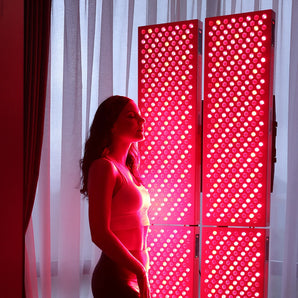
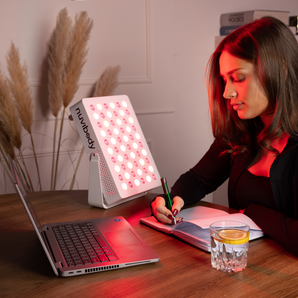
Red light therapy offers a non-invasive, accessible treatment option for managing this chronic condition. The therapy can be applied externally to the lower abdomen and pelvic region, making it suitable for home use with appropriate devices.
Treatment Frequency and Safety
A key advantage of red light therapy is its safety profile for frequent use. The therapy can typically be used daily or several times a week without adverse effects. The specific frequency depends on individual circumstances, device specifications, and symptom severity. Most women can safely incorporate red light therapy into their regular self-care routines.
Post-Operative Application
Red light therapy has virtually no contraindications, making it suitable for use after laparoscopy or hysterectomy. The treatment can actually promote postoperative recovery by reducing inflammation and accelerating wound healing. However, consulting your healthcare provider before beginning any postoperative treatment remains important, given individual variations in healing and surgical approaches.
Combine with Other Treatments
Red light therapy works well as part of a comprehensive endometriosis management plan. It can complement hormonal treatments, pain medication, physical therapy, and dietary changes. The non-invasive nature of red light therapy makes it easy to integrate without interfering with other therapeutic approaches.
Key Insights for Women Living with Endometriosis
Menstruation involves inflammatory processes that can trigger broader nervous system inflammation, especially in women with endometriosis. Red light therapy has demonstrated the ability to improve pain and inflammation while reducing the duration and severity of menstrual cramps.
The therapy reduces inflammatory markers responsible for much of the discomfort associated with endometriosis and menstrual cramps. Furthermore, red light therapy can help maintain vaginal microbiome balance, potentially preventing yeast infections and bacterial vaginosis that can complicate endometriosis symptoms.
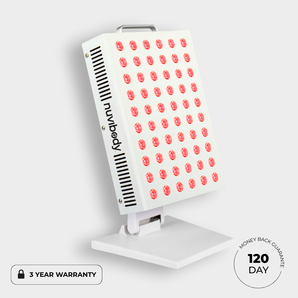
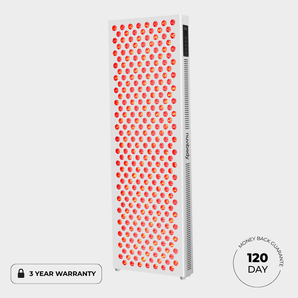
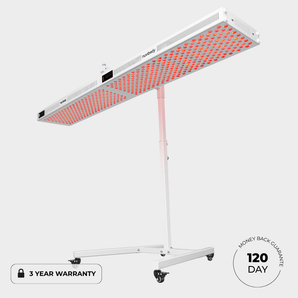
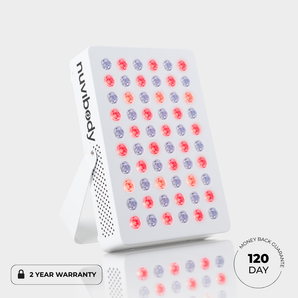
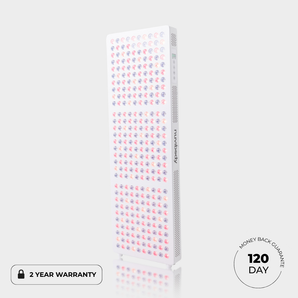
Emerging research positions red light therapy as a safe and effective therapy for musculoskeletal disorders, including myofascial pelvic pain, a common side effect of endometriosis. Choosing a high-quality red light panel, such as one from nuvibody, is crucial. Read more about what to consider when purchasing.
Frequently Asked Questions
Can red light therapy really help with endometriosis symptoms?
Yes, research supports the ability of red light therapy to address both the symptoms and underlying mechanisms of endometriosis. Several studies demonstrate pain reduction, reduced inflammation, and improved cellular function in endometrial tissue.
How often should I use red light therapy for endometriosis?
Red light therapy can generally be used daily or several times a week without adverse effects. Optimal frequency varies based on symptom severity and device specifications. Consistency generally yields better long-term results.
Will red light therapy reduce painful periods?
Clinical research comparing pharmacological approaches with red light therapy shows comparable pain relief results. Studies indicate that regular use throughout the menstrual cycle can reduce the intensity and duration of cramps.
Is red light therapy safe after endometriosis surgery?
Red light therapy can be used safely after laparoscopy or hysterectomy. The treatment can promote postoperative recovery by reducing inflammation and improving healing. Always consult your surgeon before starting any postoperative therapy.
What makes red light therapy different from other pain management approaches?
Unlike medications that can have side effects or surgical procedures with risks, photobiomodulation offers a non-invasive option that works with the body's natural healing mechanisms. It can be used frequently, combined with other treatments, and applied at home for convenience.
This article is for informational purposes only and does not replace medical advice. Always consult qualified healthcare providers about endometriosis treatment options appropriate for your specific situation.
Sources
Primary Scientific Studies
**Bulun, SE (2009).** Pathogenesis of Endometriosis: Interaction Between Endocrine and Inflammatory Pathway. *Seminars in Reproductive Medicine*, 27(5), 349-360. doi:10.1055/s-0029-1237423
**Christianson, JA, et al. (2022).** Transvaginal Photobiomodulation for the Treatment of Chronic Pelvic Pain: A Pilot Study. *Journal of Pain Research*, 15, 1847-1856.
**Gupta, A., & Hamblin, M.R. (2023).** New Insights into Photobiomodulation of the Vaginal Microbiome—A Critical Review. *Photobiomodulation, Photomedicine, and Laser Surgery*, 41(8), 385-397.
**Kozlov, VI, et al. (2016).** The Application of Intravascular Laser Irradiation of Blood for the Correction of the Immune Disturbances in Patients Presenting With Chronic Endometritis. *Voprosy Kurortologii, Fizioterapii, i Lechebnoi Fizicheskoi Kultury*, 93(2), 23-27.
**Soares, MO, et al. (2020).** Has the Time Come to Include Low-Level Laser Photobiomodulation as an Adjuvant Therapy in the Treatment of Impaired Endometrial Receptivity? *Lasers in Medical Science*, 35(9), 1905-1913.
Additional Research on Menstrual Pain
**Carroquino-Garcia, P., et al. (2019).** Comparison of Low-Level Laser Therapy and Combined Oral Contraceptives in Primary Dysmenorrhea Management. *Lasers in Surgery and Medicine*, 51(8), 682-689.
**Kim, JH, et al. (2018).** Effects of Red Light Therapy on Primary Dysmenorrhea: A Randomized Controlled Trial in Korean Women. *Journal of Obstetrics and Gynecology Research*, 44(6), 1121-1128.
Mechanism Studies
**Espírito Santo, RF, et al. (2021).** Regulation of Vaginal Microbiome by Nitric Oxide: Implications for Photobiomodulation Therapy. *Nitric Oxide*, 108, 34-41.
**Hamblin, MR (2017).** Mechanisms and Applications of the Anti-inflammatory Effects of Photobiomodulation. *AIMS Biophysics*, 4(3), 337-361.
**Poyton, RO, et al. (2005).** Mitochondrial Generation of Free Radicals and Hypoxic Signaling. *Trends in Endocrinology & Metabolism*, 16(7), 332-338.
Clinical Guidelines and Reviews
**American College of Obstetricians and Gynecologists (ACOG).** (2010). Practice Bulletin No. 114: Management of Endometriosis. *Obstetrics & Gynecology*, 116(1), 223-236.
**Zondervan, KT, et al. (2020).** Endometriosis. *Nature Reviews Disease Primers*, 6(1), 9. doi:10.1038/s41572-018-0008-5
**Avci, P., et al. (2013).** Low-Level Laser (Light) Therapy (LLLT) in Skin: Stimulating, Healing, Restoring. *Seminars in Cutaneous Medicine and Surgery*, 32(1), 41-52.
Dutch Sources
**Dutch Society for Obstetrics and Gynecology (NVOG).** (2022). Endometriosis Guideline. Utrecht: NVOG.
**Endometriosis Foundation Netherlands.** (2024). Endometriosis in the Netherlands: Prevalence and Impact. Retrieved from https://endometriose.nl