

Red light therapy for scars
Scars form when the skin heals itself after a wound, surgery, or inflammation. The body produces new connective tissue, but this often looks different from the original skin: thicker, redder, deeper, or raised. Red light therapy can influence this healing process, both during recovery and for existing scars.
How red light works on scar tissue
Red light therapy stimulates fibroblasts to produce type III collagen in the early phase of wound healing. This type of collagen is more flexible and stronger than the collagen normally produced during scar formation, leading to a functionally and aesthetically better result.
Additionally, anti-inflammatory action plays an important role. By modulating inflammation, red light therapy can help reduce the excessive or uncontrolled production of collagen, such as in hypertrophic scars or keloids.
At a cellular level, it works as follows: the mitochondria in the skin cells are activated, leading to increased ATP production. This extra cellular energy accelerates tissue regeneration and improves blood circulation, so more oxygen and nutrients reach the damaged area.
Which scar types respond best?
Not every scar responds the same. This is the distinction that matters:
Fresh scars (up to 6 months old) respond most strongly. The skin is still actively healing, and red light can directly guide the healing process. The result is typically a smoother, less raised scar.
Atrophic scars, such as acne scars with pits or indentations in the skin, benefit from stimulated collagen production. Researchers concluded in a 2018 study that red light therapy visibly reduced scars.
Hypertrophic scars, thickened red scars that remain within the wound margins, respond well to the anti-inflammatory action of red light. Studies show that red light can inhibit pro-inflammatory processes, reducing redness and swelling around scars, and helps in forming stronger, more flexible collagen, making scars less stiff and visible.
Surgical scars can be treated effectively, especially if you start early once the wound is completely closed.
Keloids are the most challenging variant: they grow beyond the original wound edges. Red light may inhibit further growth through inflammation modulation, but expect less dramatic results here than with other types.
Fresh versus old scars
The older a scar, the less readily it responds. That doesn't mean treatment is useless. Older scars can also fade significantly with red light therapy, as it improves blood circulation and can gradually reorganize the collagen structure. It just requires more patience and consistency.
How to apply it?
Only start treatment once the wound is completely closed. Red light therapy is not suitable for open wounds. Use wavelengths in the range of 630 to 660 nm for superficial skin effects, possibly supplemented with near-infrared around 830 nm for deeper tissue in thicker scars.
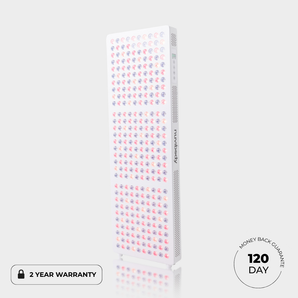
Hold the panel 10 to 30 cm from the skin, treat for 10 to 20 minutes per session, and do this 3 to 5 times per week for optimal results. Wear eye protection if treating the face.
Results are gradual. Expect 4 to 8 weeks before seeing a clear difference, especially with older scars.
Safety
Red light therapy for scars is safe for almost everyone. No UV radiation is emitted, and the treatment does not damage the skin. If in doubt about the nature of a scar, or if you are using medication that makes you light-sensitive, consult a dermatologist first.