Red Light Therapy for Pain Relief: Natural Pain Relief Without Medication
Are you suffering from muscle pain, joint pain, or chronic ailments? Red light therapy is an innovative and natural method that is increasingly being used to reduce pain and support the body's recovery.
Protocol
How to use red light therapy for pain relief
Aim the panel directly at the painful area. Closer and more consistent use provides the strongest effect.
Duration10 – 20 min
Distance10 – 15 cm
Frequency3 - 5 times per week
MomentWhen it suits you
Tip 1
The closer, the deeper
Hold the panel 10–15 cm from the pain point for maximum effect on muscle and joint tissue
Tip 2
Treat one zone at a time
Focus on one pain point per 10–15 minute session. Treat multiple zones consecutively or with a larger panel.
Tip 3
Use after tax, not only for pain
Also use the panel preventatively after physical exertion or a long day. This prevents tension and inflammatory processes from building up.
Tip 4
Daily for acute complaints
For acute pain, you may use it daily. For chronic conditions, 3–5 times a week is sufficient for a cumulative effect. Consistency counts more than intensity.
Scientifically substantiated: Near-infrared (810–850 nm) penetrates muscle layers, tendons, and joints, inhibiting inflammatory processes at the cellular level. Due to increased ATP production, damaged tissues recover more quickly, and pain signals decrease with regular use.
Discover our red light therapy for pain relief
Do you want to reduce pain without relying on medication or temporary solutions? With our red light therapy devices, you choose a natural and effective approach that supports the body from within.
Red light therapy uses specific light wavelengths that penetrate deep into the body. This light energy stimulates the mitochondria in your cells, leading to increased ATP production (energy).
This process supports:
cell repair
inflammation reduction
pain relief
improved blood circulation
As a result, the body can recover faster from pain and overuse.
How does red light therapy work for pain?
Pain is often caused by inflammation, muscle tension, or damaged tissue. Red light therapy directly addresses these causes by:
Red light therapy supports the body's natural recovery process by reducing pain signals and stimulating cell activity. Increased ATP production and improved blood flow allow damaged tissues to heal faster. This ensures that pain not only decreases in intensity but also lasts for a shorter period after physical exertion or overuse.
Reduction of Inflammation and Swelling
Many pain complaints arise from inflammatory reactions in muscles, joints, or connective tissue. Red light therapy has an anti-inflammatory effect and helps regulate these processes. This can reduce swelling, stiffness, and irritation, directly contributing to pain relief and a better healing environment in the body.
Effective for Muscle, Joint, and Chronic Pain
Red light therapy is widely applied for various types of pain and physical discomfort, including:
muscle pain and muscle tension after exertion
joint pain in knees, shoulders, hips, or back
overuse and stiff muscles
chronic pain such as long-term back or neck pain
By supporting both superficial and deeper tissues, the therapy can contribute to structural relief.
Deep Action in Muscle and Connective Tissue
In combination with near-infrared light, the therapy penetrates deeper into the body, reaching muscle layers, tendons, and joints. This makes it possible to treat not only superficial pain but also underlying causes such as deeper inflammation or tissue damage.
When to Use Red Light Therapy for Pain?
Red light therapy can be used flexibly, depending on the type of complaint and the stage of your recovery process:
For acute pain: Supports quick pain relief and immediately kick-starts recovery
For chronic pain: Works cumulatively and supports long-term recovery and inflammation regulation
After physical exertion or activity: Helps reduce overuse and prevents worsening of symptoms
During injury recovery: Stimulates healing of muscle tissue, tendons, and joints
Many people integrate red light therapy into their daily routine or use it several times a week to keep pain symptoms under structural control.
Discover which lamp suits you
Take the quiz and discover your perfect setup based on your preferences.
Frequently Asked Questions about Red Light Therapy for Pain
Find answers here to the most frequently asked questions about red light therapy for pain.
Does red light therapy really help with pain relief?
Yes, red light therapy can contribute to pain relief by supporting multiple processes in the body. It stimulates mitochondria (energy production), improves blood flow, and helps reduce inflammatory responses. This reduces pain signals and allows the body to recover more quickly from damaged tissue.
For which types of pain does red light therapy work best?
Red light therapy is often used for various forms of pain, including:
muscle pain and muscle tension after exertion
joint pain in knees, shoulders, hips, and back
neck and back problems due to posture or overuse
tendon complaints and connective tissue problems
chronic pain conditions such as long-term stiffness or irritation
Due to its broad effect on muscle and connective tissue, it is suitable for both acute and chronic conditions.
How does red light therapy work against pain at the cellular level?
At the cellular level, red light therapy stimulates the production of ATP (adenosine triphosphate), the main energy source for cells. This increases cell activity and supports tissue repair. Simultaneously, it helps reduce oxidative stress and inflammation, thereby decreasing pain symptoms and accelerating the recovery process.
Does red light therapy also work for chronic pain?
Yes, red light therapy can provide support for chronic pain. Regular use can help regulate inflammatory processes and allow the body to continuously work on recovery. Many people experience reduced pain intensity and increased freedom of movement over time.
How quickly do you notice the effects of red light therapy for pain?
This varies per person and type of complaint. Some people experience relief from pain and stiffness after just a few sessions. For chronic or long-term complaints, consistent use over several weeks is necessary to notice clear results.
How often should you use red light therapy for pain relief?
For most applications, it is recommended to use red light therapy 3 to 5 times per week, with sessions of approximately 10 to 20 minutes per treatment area. Regularity and consistency are important for optimal effect.
Can red light therapy reduce inflammation?
Yes, red light therapy has an anti-inflammatory effect. It helps regulate inflammatory processes in muscles, joints, and connective tissue, which can lead to reduced swelling, less pain, and faster recovery.
Expert advice
Expert advice
Read these 7 crucial tips before purchasing a Red Light Therapy Lamp.



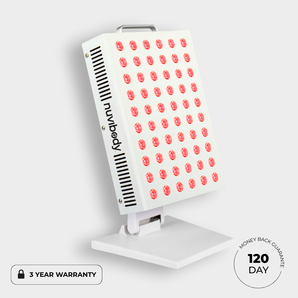

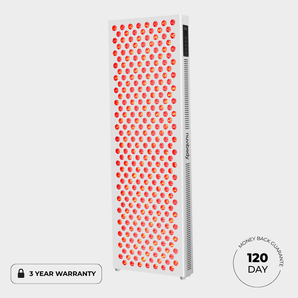 CORE 1500 Nuvibody® Red Light Therapy device


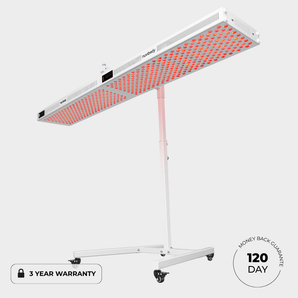 CORE 1500 DUO Combi Deal Nuvibody® Red Light Therapy device