

Red light therapy for the nose
Red light therapy is increasingly used for nasal complaints such as hay fever, allergic rhinitis, and sinusitis. Small devices that you place in your nose, as well as larger panels aimed at the face, are used for this purpose. But how exactly does it work, and what can you realistically expect from it?
Why the nose is suitable for light therapy
The nose is a logical place for targeted light therapy. The nasal mucous membrane is well-vascularized and directly accessible. Red light in combination with near-infrared has an anti-inflammatory effect and improves blood circulation in the nasal mucous membranes. Because the light falls directly on the mucous membrane, the penetration depth is sufficient for a therapeutic effect even at low intensity.
Applications: what does it help with?
Hay fever and allergic rhinitis
This is the most researched application. Red light therapy is thought to inhibit histamine production in the nose, thereby reducing allergic reactions. In addition, improved blood circulation ensures that the cells of the nasal mucous membrane function better.
Rhinolight therapy, which applies light through the nasal cavity, appears to be effective in hay fever patients: swelling decreases and symptoms are reduced.
Colds and sinusitis
While red light therapy does not cure a cold or provenly shorten its duration, there are several potential benefits relevant to cold symptoms: relief from a stuffy nose and sinus pressure due to improved blood circulation, reduced inflammation in the airways, and support for recovery processes through extra ATP production in the cells.
Which wavelengths are used?
660 nm is the wavelength that effectively works in the nasal cavity and reduces swelling of the nasal mucous membrane. Many devices combine this with a near-infrared wavelength around 940 nm for a deeper effect on surrounding tissue and improved oxygen supply.
Two ways to apply it
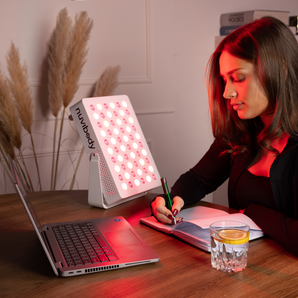
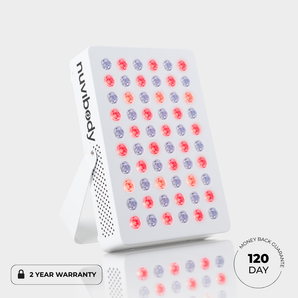
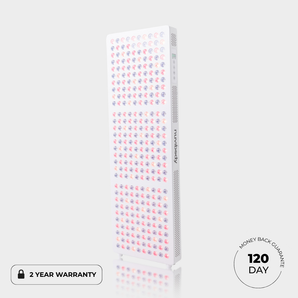
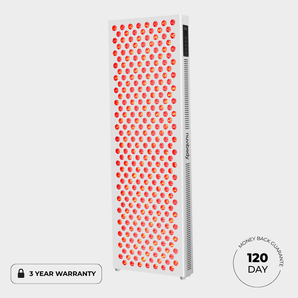
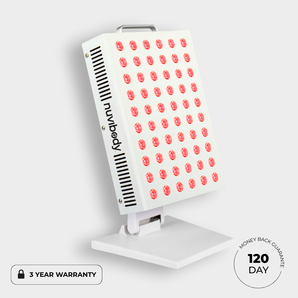
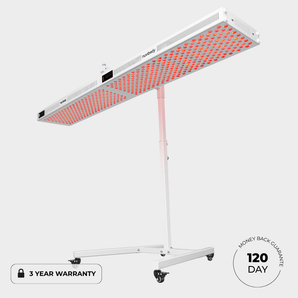
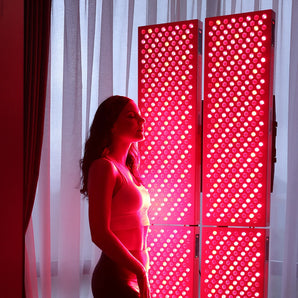
There are two common methods. The first is a nasal insert, a small device with soft silicone caps that you place directly into the nasal cavity. This provides targeted treatment to the area where the complaints are located. The second option is a red light panel aimed at the face and the bridge of the nose, which covers a larger area and can also reach the sinuses via near-infrared wavelengths.
Both methods are typically used twice a day, with sessions lasting 5 to 10 minutes. First results are often reported after 5 to 7 days of use.
What does science say?
The results for allergic rhinitis are promising and supported by clinical studies. Red light shows reduced inflammation and symptoms in allergic rhinitis in studies, and research shows that it lowers oxidative stress and can inhibit inflammation. For colds and sinusitis, the evidence is less strong and mainly concerns supportive action, not a cure.
Safety
Red light therapy in the nose is widely considered safe. No heat or UV radiation is released. The treatment is non-invasive and does not use chemical agents, making it particularly well-tolerated, even with frequent use. Always consult a doctor first if you are pregnant, taking medication, or have chronic conditions.